

Every day I write two lists of things I’m grateful for — five in the morning, and five at night. I write that I am grateful for people I love, for friends who show up, for a warm and comfortable bed, for a safe home, for my cats, and for the parts of my personality that help me keep going even when things feel heavy. Those gratitudes are important. They anchor me and remind me that there is good in my life even on days when my energy is low or I am frustrated.
Lately, though, I have been noticing something about what makes it onto my gratitude list and what does not. I tend to focus on comfort and connection, while quietly avoiding the parts of my life that require effort. I am grateful for the results of those efforts, but I often resent the work itself. I had not noticed that before, but now I can’t unsee it. That realization is what led me to a small experiment I am just starting.
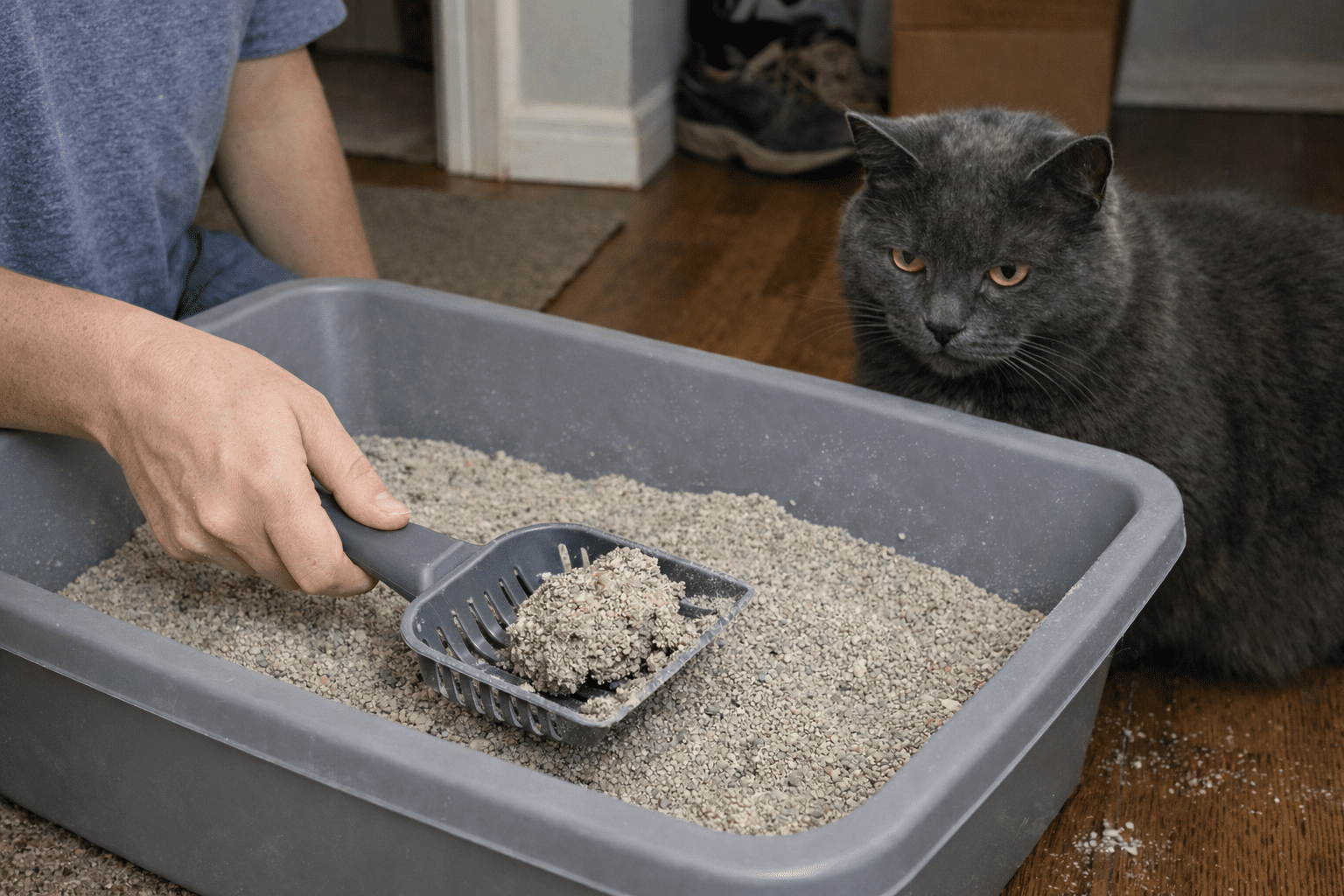
The idea is simple, and I am very clear that simple does not mean easy. I am experimenting with being grateful for the things I find hard or frustrating, especially the daily responsibilities I would happily outsource if I could. Things like preparing my own food, doing my own laundry, caring for my cats every day, and learning how to use medical equipment that supports my health. Mobility is hard for me, and tasks like these sometimes feel huge. None of these tasks suddenly become enjoyable when I write them down, and I am not expecting them to. What I am curious about is whether pairing gratitude with effort changes how heavy they feel over time.
As I have started to play with this idea, I have noticed that the language I use in my own head matters more than I realized. When I treat these responsibilities as burdens, they start to feel like proof that I am behind or failing in some way. When I tentatively reframe them as evidence of capability, something shifts. Preparing my own meals becomes a sign that I can nourish myself. Doing my own laundry becomes a sign that I can manage my environment. Taking care of my cats becomes a reminder that I am capable of daily responsibility and care. Learning to use a BiPAP mask becomes an act of participation in my own health, rather than a symbol of frustration.
I am still very much in the early stages of this experiment, and I don’t know yet how it will land long term. What I do know is that it gives me a different place to stand emotionally when I am facing things I would rather avoid. It allows me to acknowledge that something is hard without turning that difficulty into a personal failure or a reason for self-criticism. That alone feels worth paying attention to.
If you already have a gratitude ritual, you might consider trying this alongside me for a few days and seeing what you notice. Pick one task you dislike and write down what being able to do it says about your capacity right now. You do not have to enjoy it, and you do not have to feel inspired by it. You are simply testing whether treating effort as evidence of engagement changes the way you experience your own life.
If this idea resonates and you would like a little structure while you try it, you don’t have to figure it out on your own. Inside the free Health Warriors app there’s a mindset tool specifically designed to walk you through this exact process. It’s called The Capacity Reframe, and it guides you through naming something that feels hard, acknowledging why it feels that way, and reframing it into grounded gratitude without pretending the difficulty does not exist.
You can join Health Warriors and get free access to the app at healthwarriorstribe.me. The app includes mindset tools, daily practices, and gentle structure to help you build habits that support your health and your life as it actually is, with real effort, real bodies, and real days.
If you decide to try The Capacity Reframe, think of it as an experiment, not a commitment. Bring one task you dislike, one responsibility you resist, or one thing that feels heavier than it should. Let the tool help you look at it through a capacity lens and see what shifts. You do not have to love the task. You do not have to feel grateful all the time. You are simply practicing a different story about what effort means.
That alone can be a meaningful place to start.